
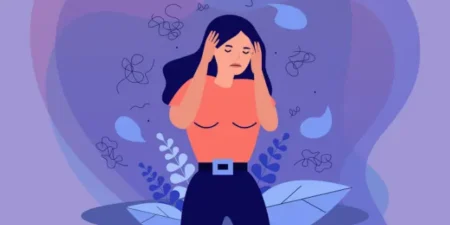
 Almost everyone feels anxious sometimes. Your heart beats faster before an important meeting, your thoughts race when something uncertain happens, and your body prepares for possible danger. That reaction is normal. Anxiety is actually part of the survival system, because it pushes you to react quickly and stay alert. The problem begins when this system stops turning off. Instead of appearing only in stressful moments, anxiety becomes a constant background state. You notice tension in your body even when nothing specific is wrong. Your mind keeps scanning for problems, and simple daily situations start to feel heavier than they should.
Why Anxiety Disorders Often Develop Gradually
Most anxiety disorders do not appear suddenly. They grow slowly, almost invisibly. At first the symptoms feel like normal stress. You may sleep worse than usual, feel more irritable, or worry more about everyday things. Your nervous system becomes more sensitive, which means small triggers create bigger reactions. Over time the brain begins to interpret ordinary situations as potential threats. This process happens because the nervous system learns through repetition. If anxiety responses repeat often enough, the brain starts expecting danger even when the environment is safe. People sometimes live with this state for months or even years before realizing the pattern has become chronic.
Common Signs That Anxiety Is Becoming A Disorder
The difference between normal anxiety and an anxiety disorder usually appears in intensity and duration. Temporary worry fades after the situation changes. Anxiety disorders keep running even when nothing stressful is happening. You might notice constant restlessness, racing thoughts that refuse to slow down, trouble concentrating, muscle tension in the shoulders or jaw, or sleep that feels light and unrefreshing. Some people also experience physical symptoms like a tight chest, stomach discomfort, dizziness, or a feeling that something bad is about to happen without a clear reason. When the body stays in this alert state too long, the nervous system struggles to return to calm.
How Anxiety Affects Daily Life
When anxiety grows stronger, it slowly begins to interfere with normal routines. People may start avoiding certain places, conversations, or responsibilities because those situations trigger uncomfortable sensations. Work becomes harder to focus on, social interactions feel draining, and even relaxing activities fail to bring real relief. The mind stays busy searching for possible threats or replaying past events. This constant mental activity consumes energy. Over time fatigue appears, because the nervous system rarely gets a chance to rest fully. Many people describe this experience as feeling mentally exhausted while still being unable to relax.
When It Is Time To Talk To A Specialist
Occasional anxiety does not always require professional help. However certain signals suggest it is time to speak with a specialist. If anxiety lasts for weeks or months without improving, interferes with sleep or work, causes physical symptoms that disrupt daily life, or leads to avoidance of normal activities, professional guidance can make a real difference. Specialists understand how the nervous system processes fear and stress, and they can help identify the patterns that keep anxiety active. Some people try to manage symptoms alone for a long time, but structured support often shortens the recovery process and prevents the condition from becoming more severe.
Why Professional Support Can Help The Nervous System Reset
Anxiety disorders are not simply about worrying too much. They involve how the brain and body regulate stress signals. Treatment often focuses on helping the nervous system relearn how to distinguish real threats from normal situations. This process may involve therapy, lifestyle adjustments, stress regulation techniques, and in some cases medical support. For people who feel overwhelmed by persistent anxiety, recovery environments designed for mental and physical restoration can also help. Some individuals explore specialized wellness centers such as Bethesda Revive, where programs focus on calming the nervous system and helping people rebuild emotional balance in a structured setting.
The First Step Toward Feeling Calm Again
Recognizing anxiety is often the hardest step. Many people assume constant tension or worry is simply part of their personality or lifestyle. In reality anxiety disorders are common and treatable conditions. The brain and nervous system are adaptable systems, which means they can learn new patterns of calm just as they once learned patterns of stress. When someone acknowledges what is happening and reaches out for help, the process of recovery usually begins faster than expected. Anxiety may feel overwhelming in the moment, but with the right support the mind can gradually rediscover something it was designed to experience naturally: a steady sense of safety and quiet inside the body.
Picture Credit: Freepik