
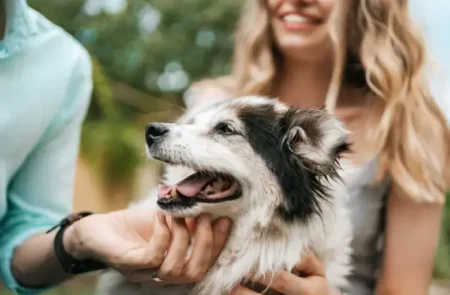
You walk into the kitchen, and your dog follows. You go to the bathroom, and your dog waits outside the door. You move from the couch to another room, and within seconds, you hear paws behind you. If this sounds familiar, you may wonder why your dog seems determined to follow you everywhere.
In many cases, this behavior comes from completely normal canine instincts and the relationship your dog has developed with you. However, constant following can sometimes point to boredom, anxiety, or a sudden change that deserves closer attention.
Your Dog Simply Enjoys Being Around You
Dogs are social animals, and many naturally prefer staying close to the people they trust. If you feed your dog, play with them, take them for walks, and provide affection, they may associate your presence with safety and positive experiences. Some dogs show this attachment by sleeping nearby, while others become your constant shadow. Personality also plays a role. One dog may happily spend hours alone in another room, while another wants to participate in nearly everything the family does.
Following You Can Become a Learned Habit
Dogs quickly learn which behaviors lead to rewards. If following you into the kitchen occasionally results in a snack, your dog has a good reason to repeat the behavior. Attention can work as a reward too. Talking to your dog, petting them, or starting a game whenever they follow you may unintentionally reinforce the habit. This does not mean you need to ignore your pet, but understanding how your reactions shape behavior can explain why constant following becomes part of a dog’s daily routine.
Your Dog May Be Looking for Something to Do
Sometimes a dog follows their owner because nothing else seems more interesting. Dogs need physical exercise, mental stimulation, play, and opportunities to explore. Without enough activity, following family members around the house can become a source of entertainment. Regular walks, training sessions, appropriate toys, scent games, and interactive activities can give your dog more ways to stay occupied. The amount of stimulation a dog needs depends on factors such as age, breed, health, personality, and energy level.
Routine Can Make Your Movements Interesting
Dogs often become surprisingly good at recognizing household routines. They may learn that picking up your shoes means a walk, entering the kitchen means food might appear, or reaching for your keys means you could leave the house. As a result, your dog may follow you because they expect something to happen. A consistent routine can help dogs understand their environment, but it can also turn ordinary movements into signals that capture their attention.
Could It Be Separation Anxiety?
Following you everywhere does not automatically mean your dog has separation anxiety. A dog can enjoy staying close to you and remain perfectly comfortable when left alone. Separation-related problems usually involve additional behaviors when the owner leaves or prepares to leave. These may include persistent barking, destructive behavior, attempts to escape, pacing, or other signs of distress. If your dog struggles significantly whenever you leave, talk with a veterinarian or qualified behavior professional instead of assuming that clinginess alone explains the problem.
Why Older Dogs May Become More Clingy
Some dogs start following their owners more as they get older. Changes in vision, hearing, mobility, or confidence can make staying near a familiar person feel reassuring. Senior dogs may also experience behavioral or cognitive changes that affect how they interact with their surroundings. Pay attention when an older dog’s behavior changes suddenly or comes with confusion, sleep changes, accidents inside the home, appetite changes, or unusual restlessness. A veterinarian can help determine whether an underlying health issue contributes to the new behavior.
Should You Stop Your Dog From Following You?
You usually do not need to stop harmless following behavior if it does not interfere with your dog’s well-being or your daily life. However, encouraging some independence can benefit dogs that struggle to relax without constant contact. Give your dog a comfortable resting area, reward calm independent behavior, and provide activities they can enjoy without your direct involvement. Avoid punishing a dog simply for staying close to you. If the behavior appears suddenly or becomes extreme, focus on finding the reason behind the change.
Final Thoughts
A dog that follows you from room to room may simply enjoy your company, expect attention, or associate you with enjoyable activities. In other cases, boredom, age-related changes, or anxiety can contribute to the behavior. Pay attention to the overall pattern rather than the following itself. When your dog can relax independently and shows no signs of distress, having a four-legged shadow around the house may simply reflect your dog’s social nature and daily habits.
FAQ
Why does my dog follow me to the bathroom?
Your dog may follow you because staying close has become a habit, they enjoy your company, or they simply want to know what you are doing. For many dogs, the bathroom is no different from any other room you enter.
Does my dog following me mean they love me?
Following can reflect a strong social bond, but it can also result from habit, curiosity, expectations of food or attention, and other factors. Look at your dog’s overall behavior rather than using one habit as the only measure of attachment.
Why has my dog suddenly started following me everywhere?
A sudden behavioral change deserves attention, particularly if your dog also shows changes in appetite, sleep, energy, mobility, or behavior. Stress and environmental changes can play a role, but health problems can also affect behavior, so consider discussing unexplained changes with a veterinarian.
Is it unhealthy for my dog to follow me everywhere?
Not necessarily. The more important question is whether your dog can remain calm and comfortable when you are unavailable. If your dog becomes extremely distressed when separated from you, professional guidance can help identify the cause and develop an appropriate plan.
Picture Credit: Magnific