
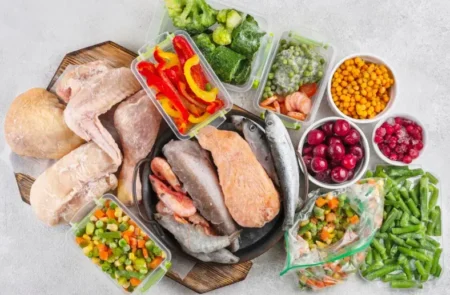
Fresh food often has a reputation for being healthier than anything from the freezer. Many shoppers automatically choose fresh fruits, vegetables, meat, and prepared foods because they assume freezing reduces nutritional value. In reality, the difference between fresh and frozen food is more complicated.
Freezing can preserve many nutrients and make healthy foods easier to store for longer periods. However, the nutritional quality of frozen food depends heavily on what you buy. Frozen vegetables and a frozen pizza may share the same freezer, but they certainly do not offer the same nutritional benefits.
Freezing Preserves Many Nutrients
Freezing slows the processes that cause food to spoil and lose quality. Producers often freeze fruits and vegetables shortly after harvesting, which helps preserve many of their vitamins and minerals. Fresh produce can also provide excellent nutrition, but transportation, storage, and several days in your refrigerator may gradually affect some nutrients. For this reason, you should not automatically assume that fresh produce always contains more nutrients than frozen alternatives.
Fresh Food Is Not Always Fresher
The word “fresh” can create the impression that produce recently came from a farm, but fruits and vegetables may travel long distances before reaching your kitchen. Producers may harvest certain foods before they fully ripen so they can survive transportation and storage. Frozen produce often follows a different process, with manufacturers freezing it relatively soon after harvest. Both options can fit into a nutritious diet, so convenience and availability can help guide your choice.
Not All Frozen Foods Are Equal
The freezer aisle contains everything from plain broccoli and berries to fries, desserts, and highly processed meals. When choosing frozen food, focus on the ingredients rather than the fact that the product comes frozen. Plain fruits, vegetables, fish, and other minimally processed options can provide plenty of nutritional value. Products with large amounts of added salt, sugar, sauces, or saturated fat may offer a very different nutritional profile.
Frozen Produce Can Reduce Food Waste
Fresh fruits and vegetables can spoil quickly, especially when you buy more than you can use during the week. Frozen produce lasts much longer and allows you to take only the amount you need. Keeping frozen berries, spinach, peas, or mixed vegetables at home can also make balanced meals easier when you have little time to shop or cook. Less spoilage can save money while helping you keep nutritious ingredients available.
Check Labels on Frozen Meals
Frozen ready meals offer convenience, but their nutritional content varies widely. Some provide balanced portions of vegetables, protein, and whole grains, while others contain high amounts of sodium, added sugar, or saturated fat. Read the nutrition label and ingredient list before buying. Instead of judging every frozen meal as unhealthy, compare products and choose options that fit your overall eating habits.
Choose Fresh or Frozen Based on Your Needs
You do not need to choose one option exclusively. Fresh produce works well when you plan to eat it quickly, enjoy seasonal foods, or prefer a particular texture. Frozen food offers convenience, longer storage, and easy access to ingredients throughout the year. Combining both can make grocery shopping more practical and help you maintain variety without wasting food.
Final Thoughts
Frozen food is not automatically less healthy than fresh food. Plain frozen fruits and vegetables can provide valuable nutrients and offer a convenient alternative when fresh options are unavailable or likely to spoil. Instead of focusing only on whether food comes fresh or frozen, consider its ingredients, nutritional content, and role in your overall diet.
FAQ
Are frozen vegetables healthy?
Yes. Plain frozen vegetables can provide many of the same important nutrients as fresh vegetables and offer a convenient option for everyday meals.
Do frozen fruits contain added sugar?
Not always. Many products contain only fruit, but some include added sugar or syrup. Check the ingredient list before buying.
Is frozen food highly processed?
Some frozen products are highly processed, but freezing itself does not make food highly processed. Plain frozen fruits, vegetables, meat, and fish can contain very few added ingredients.
Is fresh produce always better than frozen?
No. Both fresh and frozen produce can form part of a healthy diet. Your choice can depend on availability, price, convenience, storage time, and personal preference.
Picture Credit: Magnific